Compare Local Contractors for Low Voltage Lighting Services
Compare local contractors for low voltage lighting to define project scope, verify experience, and establish clear expectations for a successful installation.
Low voltage lighting service typically involves the installation, repair, and maintenance of lighting systems that operate on lower electrical voltages, often used to enhance outdoor landscapes, pathways, or architectural features. This work can include designing lighting layouts, installing fixtures, wiring connections, and ensuring proper power distribution for aesthetic and functional purposes. Properly executed, low voltage lighting can improve a property's visual appeal and safety, making it essential to work with experienced service providers who understand the specific technical requirements and safety considerations involved in these systems.
Clearly defining the scope of low voltage lighting work is crucial for setting expectations and ensuring the project meets specific needs. Property owners should work with contractors to outline details such as the types of fixtures, areas to be illuminated, desired lighting effects, and any integration with existing electrical systems. Having a written scope helps prevent misunderstandings, ensures all parties are aligned on project deliverables, and provides a reference point throughout the work process. This clarity can also facilitate better communication and coordination with service providers, leading to more satisfactory outcomes.
When comparing local contractors for low voltage lighting services, property owners should consider experience, expertise, and the range of services offered. It’s helpful to review the contractor’s previous work or request references to gauge their familiarity with projects similar to the property’s needs. Verifying that the contractor understands the scope of work and can provide detailed, written proposals or estimates allows for more informed decisions. By assessing these factors, property owners can identify service providers who are well-equipped to deliver quality results aligned with their specific lighting goals.
Compare local contractors by outlining your project priorities, verifying experience, and setting clear, written expectations.
- Compare Contractor Experience - Review the backgrounds and project history of local service providers to assess their expertise.
- Define Project Scope Clearly - Outline specific lighting needs and expectations to ensure alignment with contractors.
- Verify Service Offerings - Confirm that contractors provide low voltage lighting services that match the project requirements.
- Document Agreements in Writing - Ensure all project details, scope, and expectations are documented to prevent misunderstandings.

Clearly describe your low voltage lighting project to help compare local contractors, define scope, and set expectations in writing.
- Verify experience and expertise in low voltage lighting installation and service. Ensure contractors have a clear understanding of the scope of work and specific lighting needs.
- Compare service providers based on their reputation and customer feedback within the local community. Look for contractors who demonstrate professionalism and reliability in low voltage lighting projects.
- Discuss and document project expectations, including design, placement, and functionality of the lighting system. Clarify the scope of work and deliverables in writing before work begins.
- Assess the contractor’s familiarity with relevant wiring, safety standards, and best practices for low voltage lighting. Confirm that the service provider can handle the technical requirements of the installation.
- Request detailed descriptions of the materials, fixtures, and equipment to be used in the project. Make sure all components are specified and agreed upon to avoid misunderstandings.
- Ensure that the contractor provides a comprehensive written estimate outlining the work scope and responsibilities. This helps compare services and set clear expectations for the project.
Compare local contractors, clarify project scope, verify experience, and document expectations for successful low voltage lighting work.

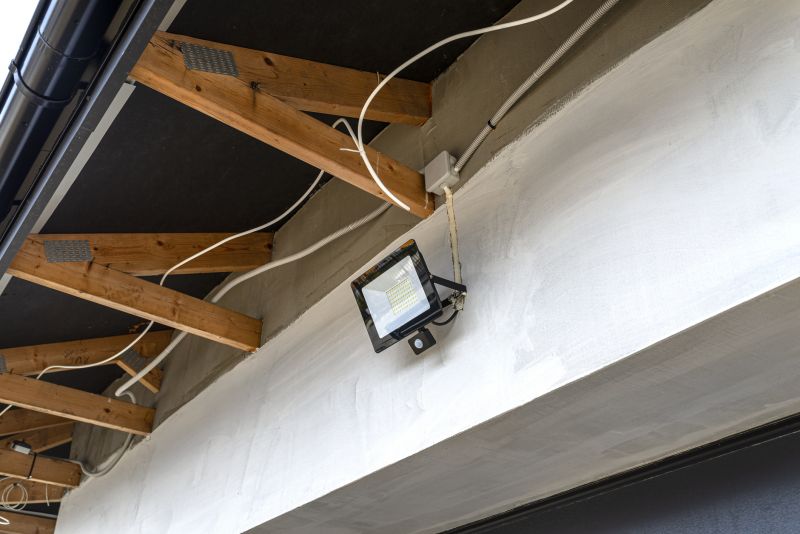


This scope builder helps compare low voltage lighting contractors consistently, focusing on defining work, verifying experience, and clarifying expectations in writing.
- Project Scope - Clearly define the specific lighting areas, fixtures, and design preferences for the low voltage lighting system.
- Experience Verification - Confirm that local contractors have relevant experience with low voltage lighting installations and service.
- Material and Equipment Details - Specify the types of lighting fixtures, wiring, and accessories to be used in the project.
- Work Responsibilities - Outline the tasks and responsibilities of the service provider, including installation, testing, and cleanup.
- Written Agreement - Ensure all project details, expectations, and scope are documented in a written scope of work.
When evaluating contractors for low voltage lighting service, it is important to consider their experience with similar projects. Homeowners should inquire about the types of lighting installations the service providers have completed in the past, ensuring they have relevant experience with projects comparable in scope and complexity. Contractors with a history of working on outdoor landscape lighting, pathway illumination, or architectural accent lighting can often better anticipate potential challenges and deliver results that meet expectations.
A clear, written scope of work is essential for a successful project. Homeowners should seek service providers who can articulate the details of the proposed work in writing, including the number of fixtures, wiring methods, control options, and any specific design considerations. A well-defined scope helps establish mutual understanding and provides a reference point throughout the project, reducing the risk of misunderstandings or unmet expectations.
Verification basics involve confirming the contractor’s familiarity with relevant installation standards and best practices. While formal licensing or certification may not be a focus, homeowners can ask about the contractor’s approach to verifying the quality and safety of their work, such as inspecting wiring connections, verifying proper fixture placement, and ensuring compatibility with existing electrical systems. Understanding how the service provider plans to verify proper installation can help ensure the reliability and longevity of the lighting system.
When comparing options among local contractors, it is helpful to evaluate their communication, professionalism, and the thoroughness of their proposals. Homeowners should look for detailed written descriptions of the scope, methods, and materials, as well as any warranties or guarantees offered. Asking for references or examples of past work can provide additional insight into their experience and reliability. Focusing on these aspects allows for an informed decision based on the contractor’s expertise, approach, and ability to meet project needs without relying on price considerations.
Request written details from service providers to clearly define project scope and ensure consistent expectations.
- **Experience and Expertise** - What experience do local contractors have with low voltage lighting installations?
- **Scope of Services** - How do contractors define and outline the scope of a low voltage lighting project?
- **Comparison of Offerings** - What specific services and solutions do different contractors include in their low voltage lighting packages?
- **Work Process and Approach** - How do service providers plan and execute low voltage lighting projects to meet client expectations?
- **Written Agreements** - Do contractors provide clear, detailed written descriptions of the work scope and deliverables?
How can I compare contractors for low voltage lighting services? It’s helpful to review their experience, scope of work, and reputation. Asking for references or previous project examples can provide insight into their expertise and reliability.
What should I include when defining the scope of my low voltage lighting project? Clearly outline the areas to be lit, types of fixtures, desired effects, and any specific design preferences. Detailed descriptions help ensure contractors understand your expectations.
How can I verify a contractor’s experience with low voltage lighting? Request information about their past projects, specialties, and the types of systems they have installed. Confirming their familiarity with your specific needs can lead to better results.
Why is it important to have the project scope in writing? Having a written scope clarifies the work to be performed, prevents misunderstandings, and provides a reference for both parties throughout the project.
What questions should I ask to ensure a contractor understands my lighting goals? Inquire about their approach to design, experience with similar projects, and how they plan to achieve your desired lighting effects. Clear communication helps align expectations.
How can I ensure the contractor’s work aligns with my expectations? Request detailed descriptions of the planned work, ask for visual references if available, and confirm all project details are documented before work begins.
By exploring the information provided, visitors can gain a clearer understanding of how to evaluate and select contractors capable of handling low voltage lighting services. Learning to define the scope of work, verify relevant experience, and set clear expectations in writing helps ensure a smoother project process. Utilizing the quote form allows for easy comparison of local service providers, making it simpler to find options that meet specific needs.
Taking the time to compare available contractors and clarify project details can lead to more informed decisions. Using the quote form to connect with experienced local service providers offers a straightforward way to explore options and find professionals suited to the job. This approach helps ensure that expectations are aligned and that the chosen contractor is well-equipped to handle the work.